

Complete Step-by-Step Gobar Gas Plant Construction Guide for Indian Farms
In this blog I am documenting every details important for constructing a small Gobargas (Biogas using Cow dung) plant. India has long relied on agricultural and rural-based economies, making biogas production through gobar gas plants an ideal solution for sustainable energy. A gobar gas plant, utilizing cow dung (gobar) and organic waste, produces biogas for cooking, lighting, and other energy needs while also generating nutrient-rich slurry for agriculture. Here’s a comprehensive guide to understanding the steps, materials, maintenance, and benefits of setting up a gobar gas plant in India.
Steps and materials needed to Build a Gobar Gas Plant
- Choose a Location: Select a site close to cattle sheds for easy access to cow dung. Ensure it is near the area where biogas will be used but away from residential zones to minimize odor.
- Gather Materials:
- Construction materials: bricks, cement, sand, and steel for the digester and dome.
- PVC or steel pipes for gas transmission.
- Valves, gas stove adapters, and a gas storage unit.
- Cow dung (primary feedstock)
- Organic kitchen waste (optional for enhanced output)
- Design the Plant: A typical gobar gas plant consists of:
- Digester Tank: A sealed tank where anaerobic digestion occurs.
- Inlet and Outlet Chambers: To feed raw materials and extract slurry.
- Gas Holder Dome: To collect and store biogas.
- Gas Distribution System: Pipes and valves to channel the gas.
- Construction:
- Excavate a pit for the digester and dome.
- Construct the digester tank with durable materials to ensure it is airtight.
- Install inlet and outlet pipes securely.
- Fix the gas holder dome and connect pipes to the distribution system.
- Start the Process:
- Mix cow dung with water in a 1:1 ratio to form a slurry.
- Feed the slurry into the inlet chamber.
- Seal the system and allow anaerobic digestion to begin. Gas production typically starts within 10-15 days.
Time taken to build a 6 cubic meter plant
Two persons(one skilled labor) took about 6 days to complete the construction process at our farm in Nainital District, Uttarakhand, India.
Day 1 and 2
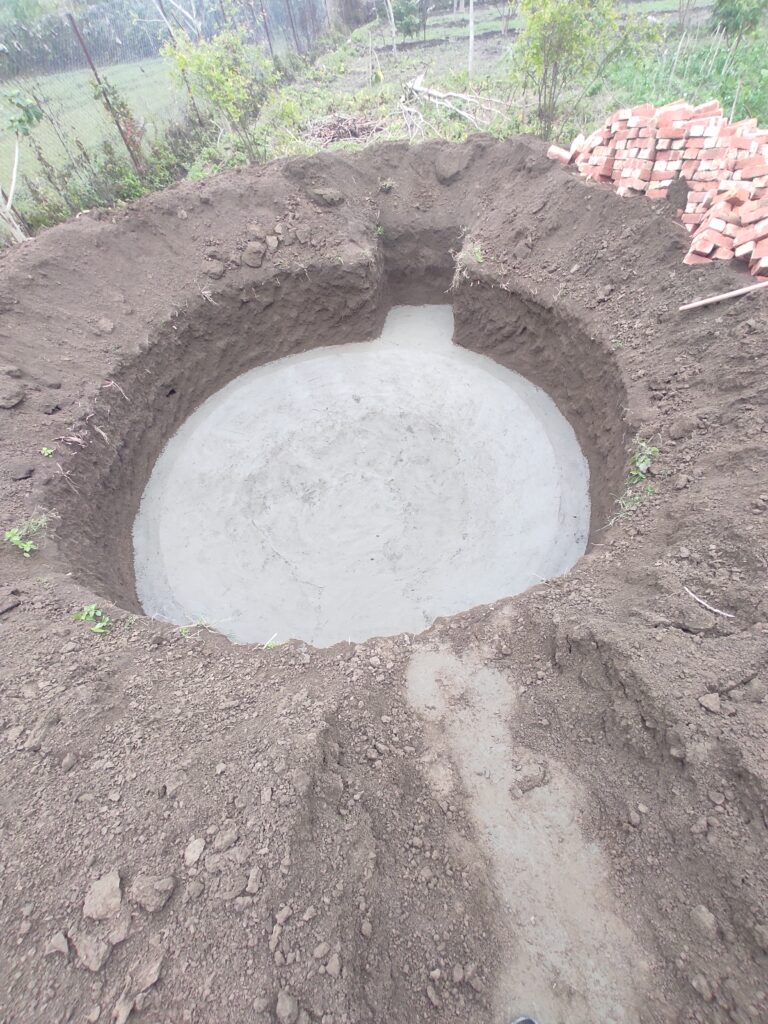
They Dug the pit for digester tank and dome. One second day they also laid the floor for the pit with concrete so that the next day they could start with brick masonry work on top of it.
Day 3
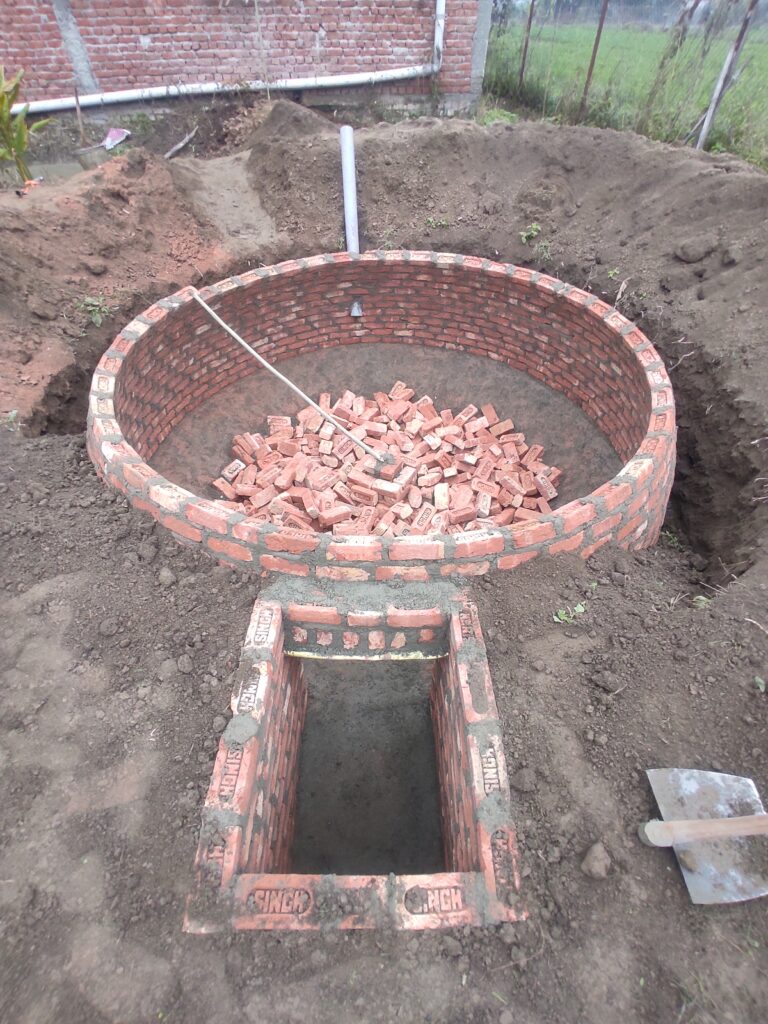
They started with the brick masonry and started building the digester. They could built it to the height of 5 feet on this day. It was being built in a special dome shape which could be done only by a skilled mason.
Day 4
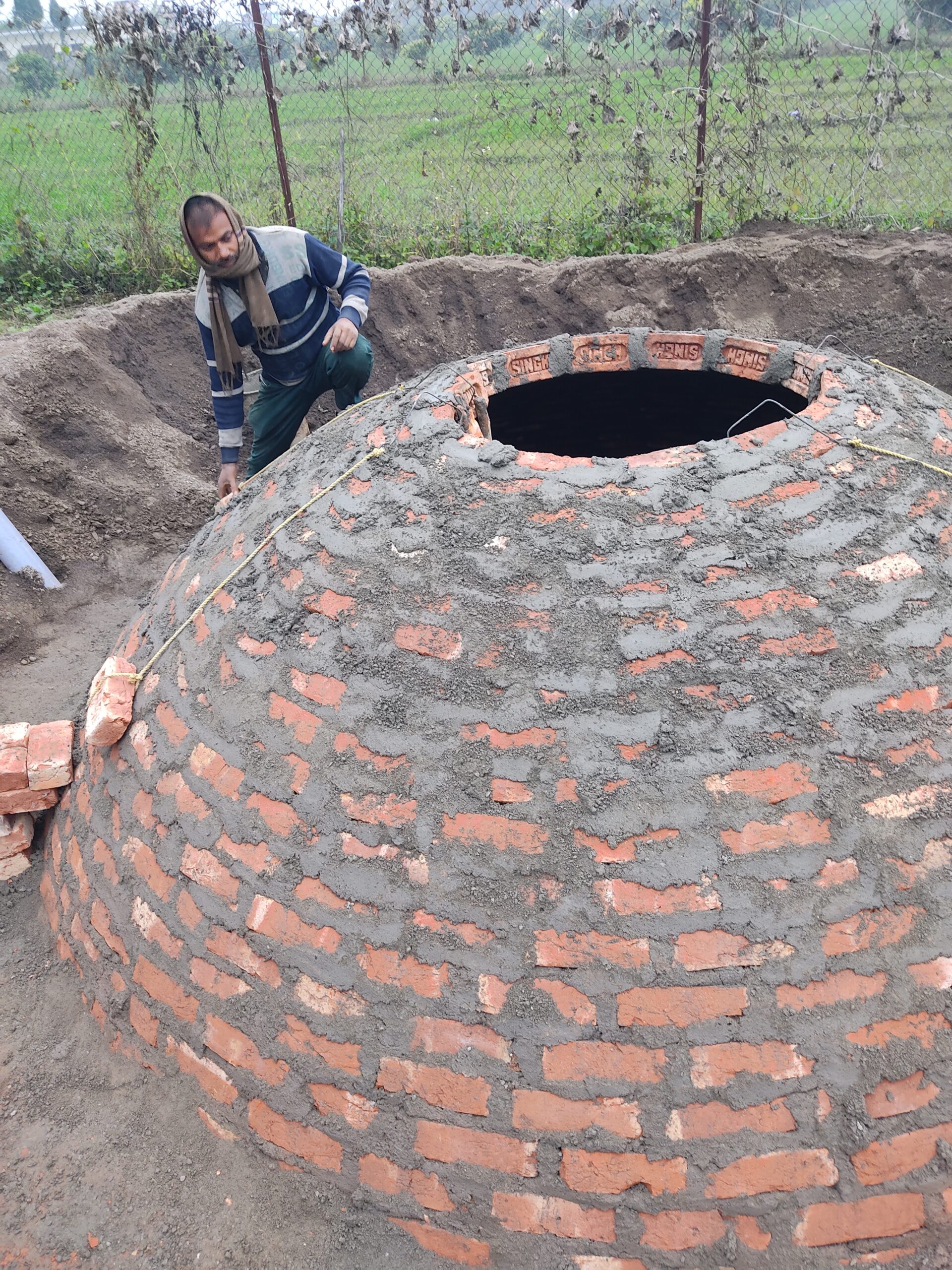
They completed the dome and closed the top after installing a output gas pipe.
Day 5
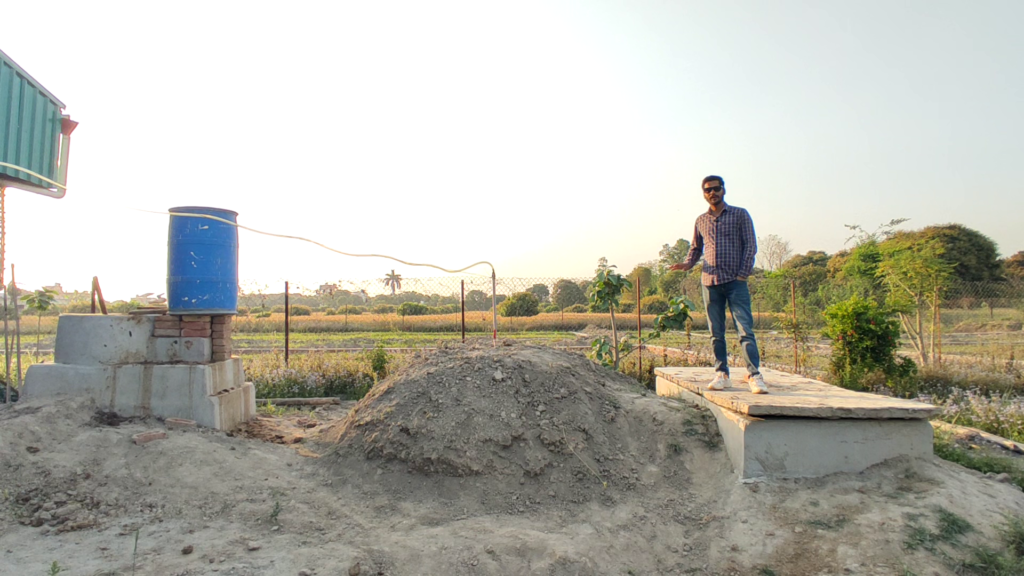
They plastered the dome from outside. They also built two other tanks on this day, one for preparing the feed for digester(Cow dung properly mixed with water in 1:1 ratio) and the other one for holding the slurry that would come out of the digester after
Maintenance Tips
- Daily Feeding: Regularly feed the plant with fresh slurry to maintain gas production.
- Check for Leaks: Inspect the gas dome, pipes, and valves for any leaks and repair them promptly.
- Clean the Outlet: Ensure the slurry outlet remains unclogged for smooth operation.
- Prevent Overloading: Avoid adding excess feedstock, as it can disrupt the digestion process.
- Seasonal Adjustments: Biogas production may slow in winter due to lower temperatures. Use insulation or maintain warmth around the digester.
Importance of Gobar Gas Plants
- Energy Security: Gobar gas provides a renewable, decentralized energy source, reducing dependence on conventional fuels like LPG and firewood.
- Environmental Benefits:
- Reduces methane emissions from unmanaged cow dung.
- Lowers deforestation by replacing firewood.
- Promotes waste management and reduces pollution.
- Economic Savings: Households save on fuel expenses and gain additional income by selling surplus biogas or slurry.
- Agricultural Benefits: The slurry from the plant is a potent organic fertilizer, improving soil health and crop yields.
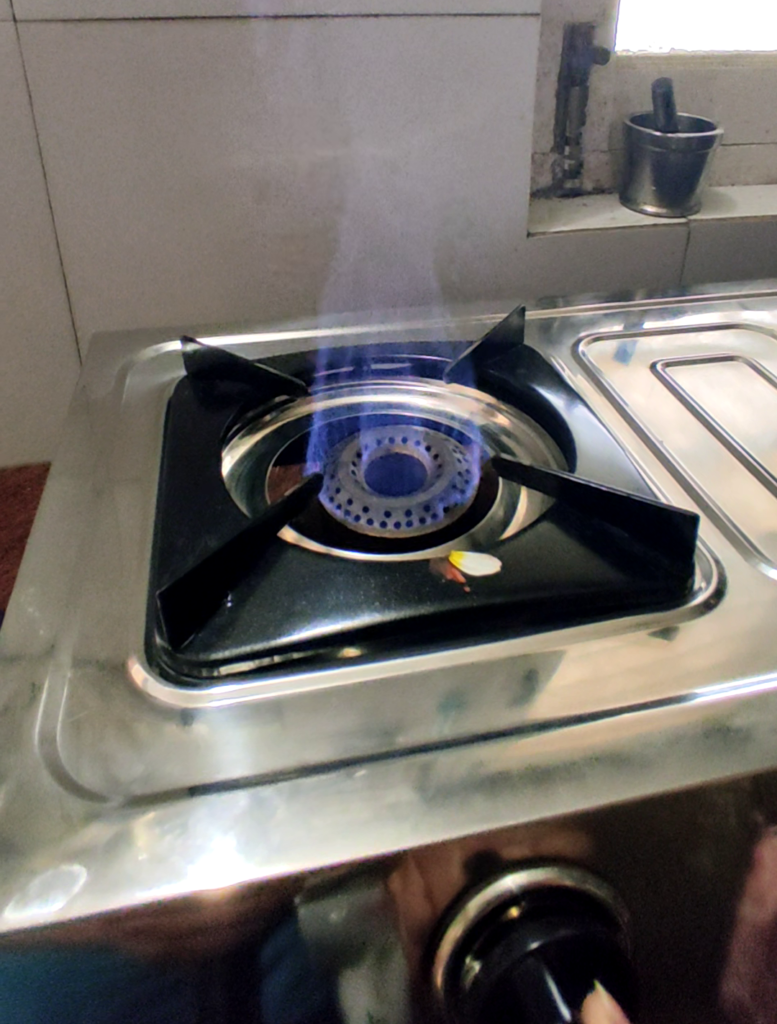
Benefits of Gobar Gas Plants
- Cost-Effective Energy: A one-time investment in a gobar gas plant can provide sustainable energy for years.
- Health Improvement: Reduces indoor air pollution caused by firewood, benefiting respiratory health.
- Women Empowerment: Reduces the burden of collecting firewood, freeing up time for other activities.
- Community Development: Biogas plants foster community-level initiatives, encouraging sustainable rural development.
Conclusion
Gobar gas plants are a beacon of sustainability, aligning with India’s goals for renewable energy and rural development. They transform waste into wealth, offering environmental, economic, and social benefits. By adopting gobar gas technology, we not only meet energy demands but also pave the way for a cleaner and greener future.
We have discussed about this gobargas plant in our youtube channel. Feel free to view it so more information.
https://youtu.be/lyEBrOxS6ro






Add comment